
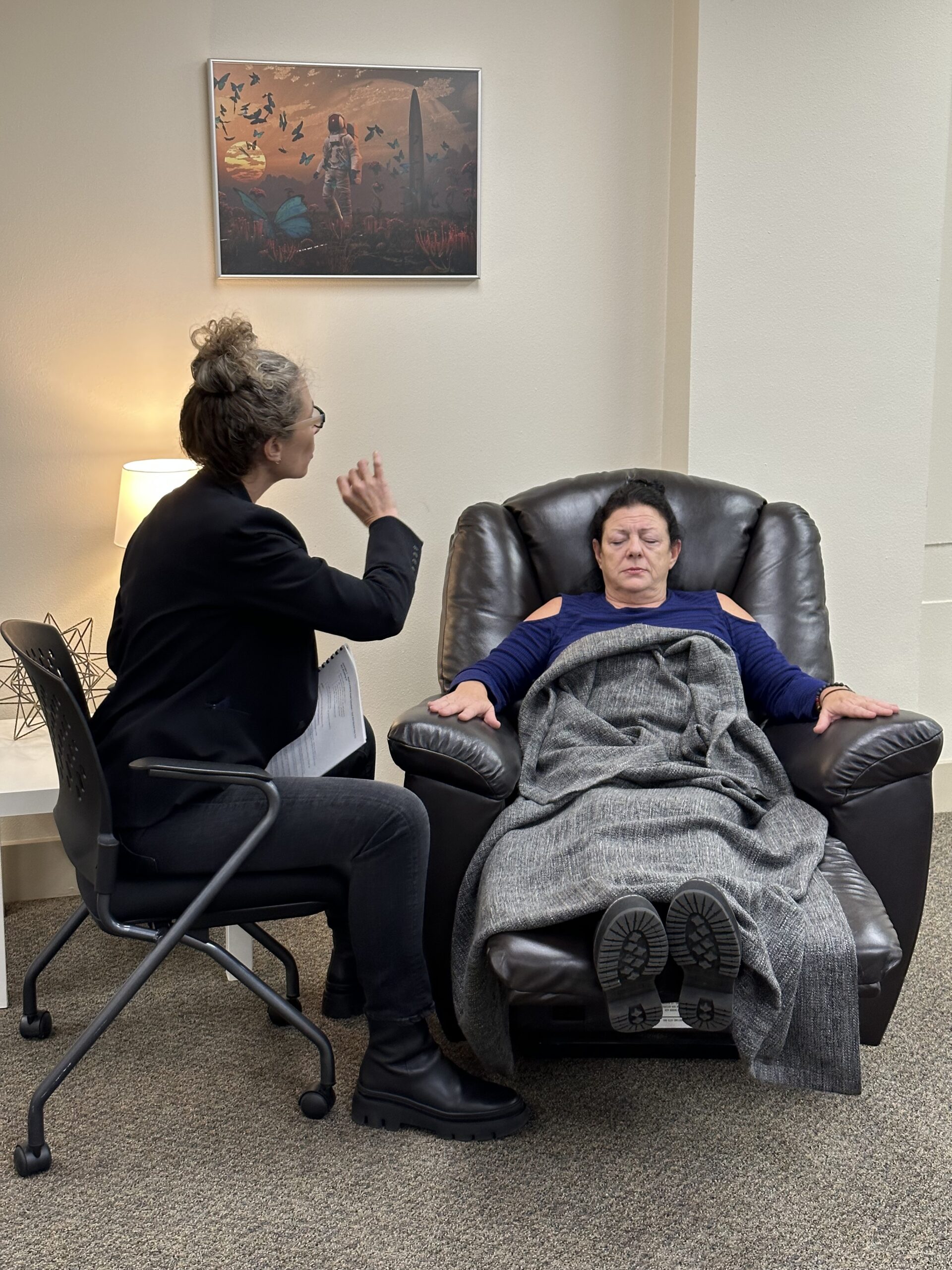
A student is sitting there with the manual open, trying hard, doing a good job, and you can feel what they want. They want the words to stop feeling so deliberate. They want it to sound more natural.
That makes sense.
Nobody wants to feel stiff. Nobody wants to feel like they are reading from a manual while another human being is sitting right in front of them.
But what I notice is that real progress usually does not begin with sounding natural.
It begins when someone starts falling in love with the practice itself.
Why That Matters
We were working through material in class today that can look very technical on paper. A lot of students see a structured process and think the goal is to memorize it perfectly.
It isn’t.
The goal is relief.
That changes what you are actually practicing for.
You are not practicing so you can impress somebody with how smooth you sound. You are practicing so that when a real person is sitting in front of you, needing help, you are steady enough to guide them without getting lost in your own words.
That is a very different kind of practice.
The Work Starts Changing You Too
Sometimes one very simple question does more than a whole paragraph of explanation.
I was talking about that in class today. Even a question like, are you sitting, standing, or lying down, can change the quality of the work right away. It brings someone into the present tense. Now they are in it instead of talking about it from across the room.
That is part of the skill.
Another part is learning not to chase the “correct” answer. In hypnosis, first impression is often more useful than overthinking. If someone stops to think too long, you can feel the thinking mind taking back over. So part of the work is helping people answer faster, simpler, and from closer in.
And honestly, this is where a lot of people get discouraged too early. They think practice is only about getting the wording right.
It isn’t.
At first, practice may build confidence. You stop watching yourself so hard. You can stay with the person in front of you more fully.
Then something else starts happening. Creativity starts showing up. Trust starts showing up. The work becomes more alive.
For hypnotists, this often means you begin entering hypnosis more easily yourself.
And that matters.
Because now you are not only learning what to say. You are learning the experience from the inside.
That Is Usually a Good Sign
When a student starts falling in love with the practice, I pay attention to that.
It usually means something real is happening. The work is no longer only about trying to get through the material. It is becoming interesting. Alive. Personal in a useful way.
That is often when the hypnotist starts changing too.
Want to Experience This for Yourself?
The Hypnosis Skills Lab was built for exactly this kind of work: real practice, real experience, and enough room to let the practice become more than theory.
Learn more about the Hypnosis Skills Lab
Explore Cascade Hypnosis Training
About Erika Flint
Erika Flint is a board certified hypnotist, hypnosis instructor, and founder of Cascade Hypnosis Center in Bellingham, Washington. She teaches hypnosis in a practical, hands-on way that helps students build real skill, confidence, and trust in the work.
If you want to explore training with Erika, start with the Hypnosis Skills Lab or visit the training home.